Accountability breaks down without collaboration.
You’ve seen it before:
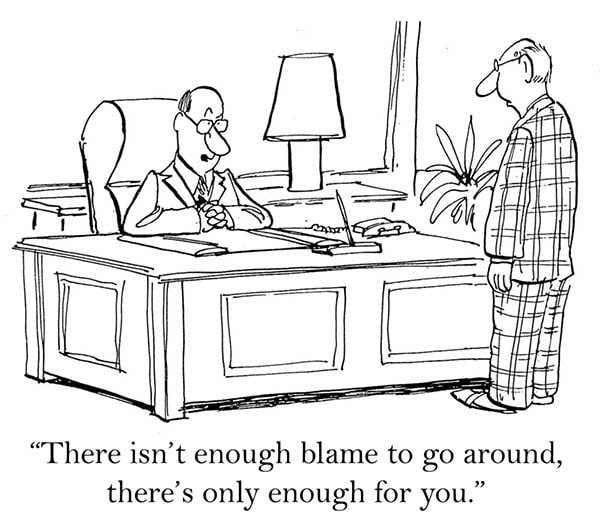
👎The operations team blames sales for poor results.
👎The sales team says operations isn’t delivering.
👎Meanwhile, HR is stuck refereeing a match no one can win.
Sound familiar?
When collaboration fails, accountability goes out the window…and HR ends up picking up the pieces.
🔢There are four tell-tale signs that accountability has broken down and collaboration is suffering: When people start to complain, blame, whine, and make excuses.
But what if leaders stopped working in silos and took shared ownership for success? It’s time for a new approach.
This is part two of our 3-part series on the C’s of Accountability: Clarity, Collaboration, and Crucial Conversations. Today, we’re focusing on collaboration—because without it, teams fracture and stagnate.
Stop silos. Start collaborating.
When leaders think of collaboration, they often focus on team projects or meetings. But real collaboration begins with LEADERSHIP.
Here are 3 actionable keys to accelerate collaboration:
-
Get aligned on expectations. Are leaders across departments really clear about what success looks like for the whole organization?
⬆️ Any ambiguity will only cascade confusion and competing priorities throughout the organization.
-
Model shared responsibility. Leaders should demonstrate cross-functional collaboration by actively supporting other departments’ goals.
⬆️ This can look like sharing feedback or “calling the ball” when they see areas of risk. When leaders set the tone, teams follow suit.
-
Break down the walls. Silos thrive when communication falters. Encourage regular, transparent conversations across departments to build trust and prevent misunderstandings.
⬆️ Make time to collaboratively problem-solve, and even more importantly, track and celebrate the wins!
When leaders collaborate effectively, accountability becomes a shared value, not a burdensome task HR enforces.
It starts with leaders embracing The Coach Approach™, where they foster teamwork rather than a directive command and control style.
For more practical strategies on The Coach Approach™ to leadership, check out my book: